
Precision casting with excellent quality
Integrated research and development, manufacturing, sales, and technical services of laboratory scientific instruments and intelligent equipment
National Consultation Hotline 15738867410
Integrated research and development, manufacturing, sales, and technical services of laboratory scientific instruments and intelligent equipment
National Consultation Hotline 15738867410

15738867410
Greenland Binhu International City (District 1), Erqi District, Zhengzhou City, Henan Province
Details
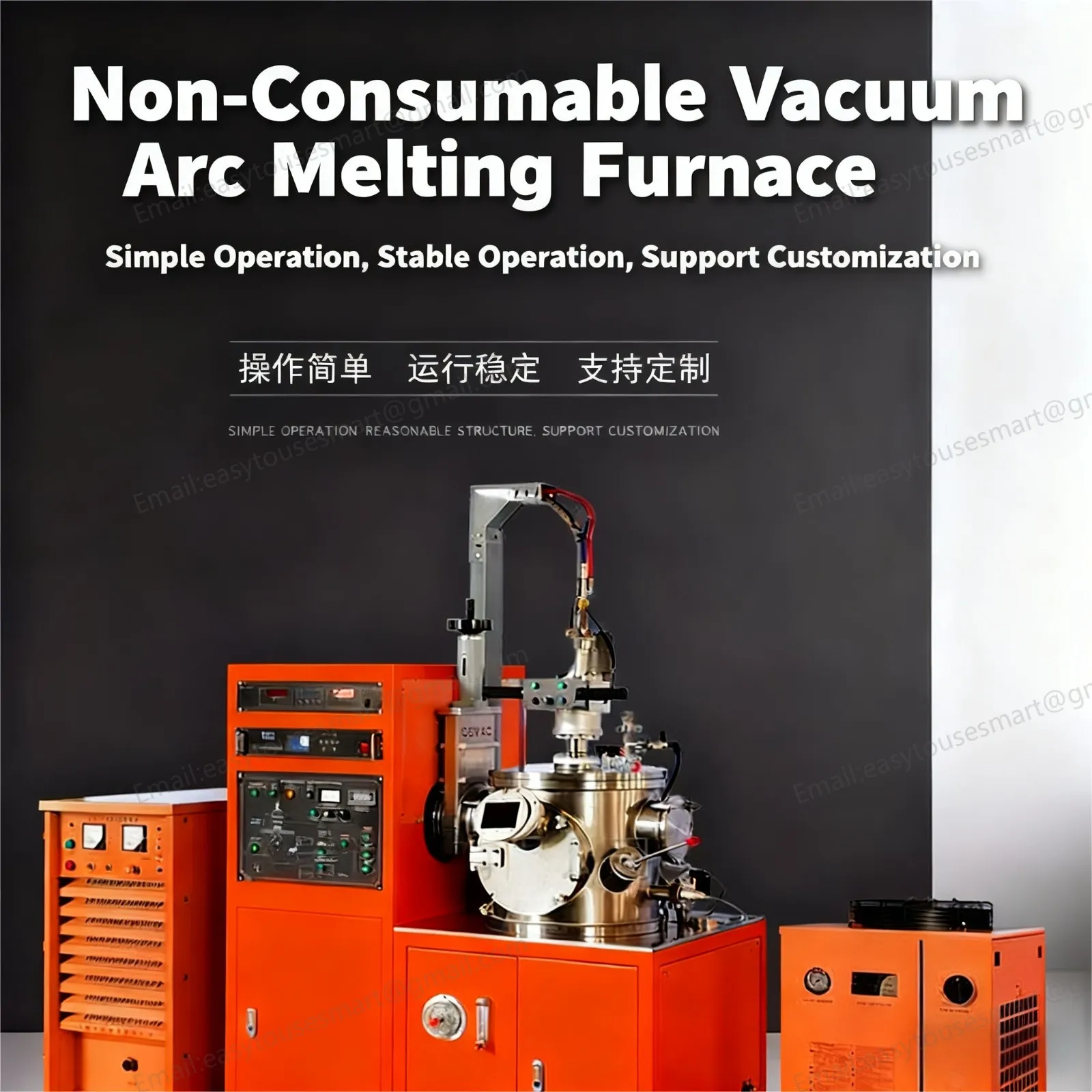
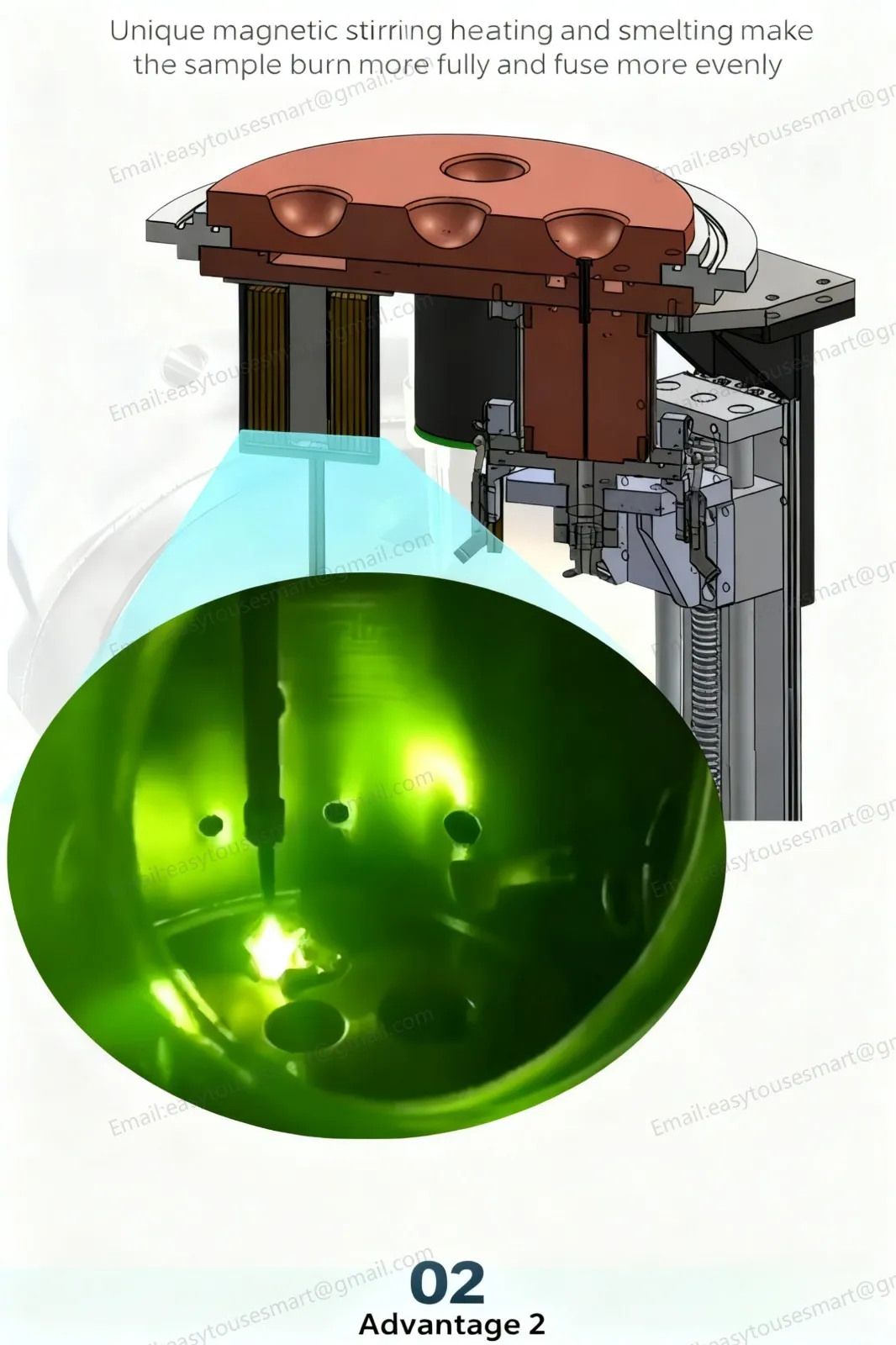
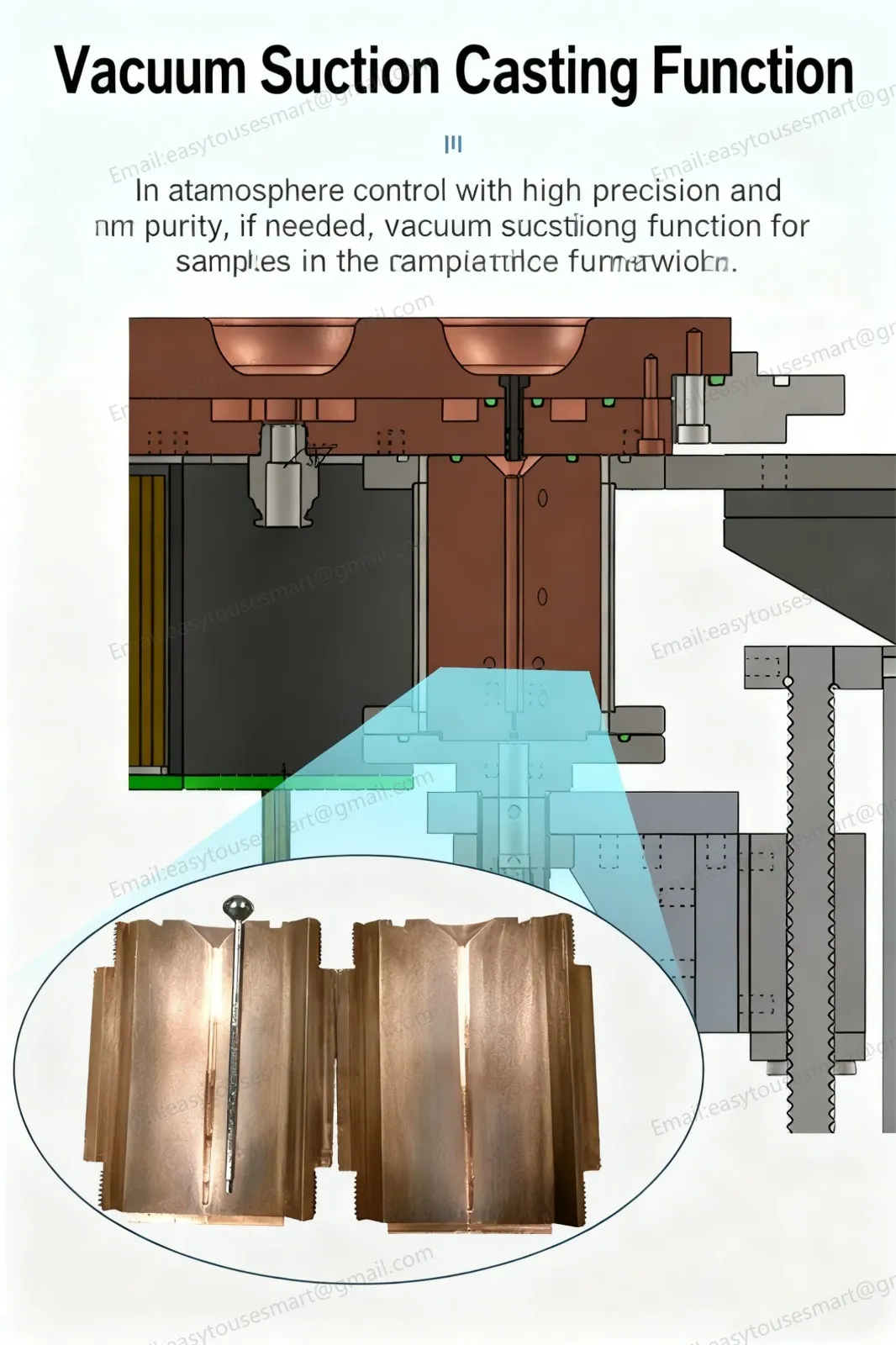
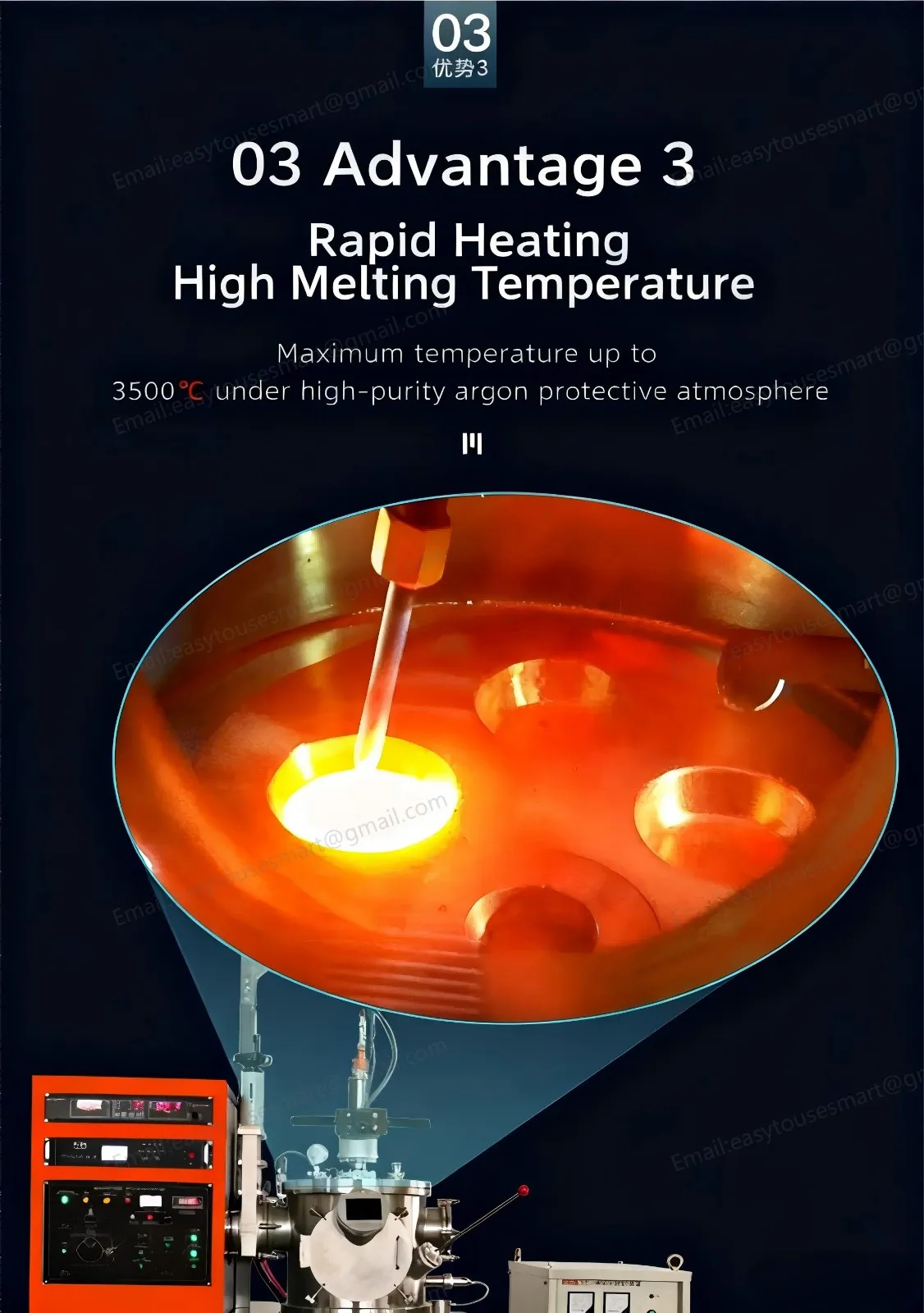
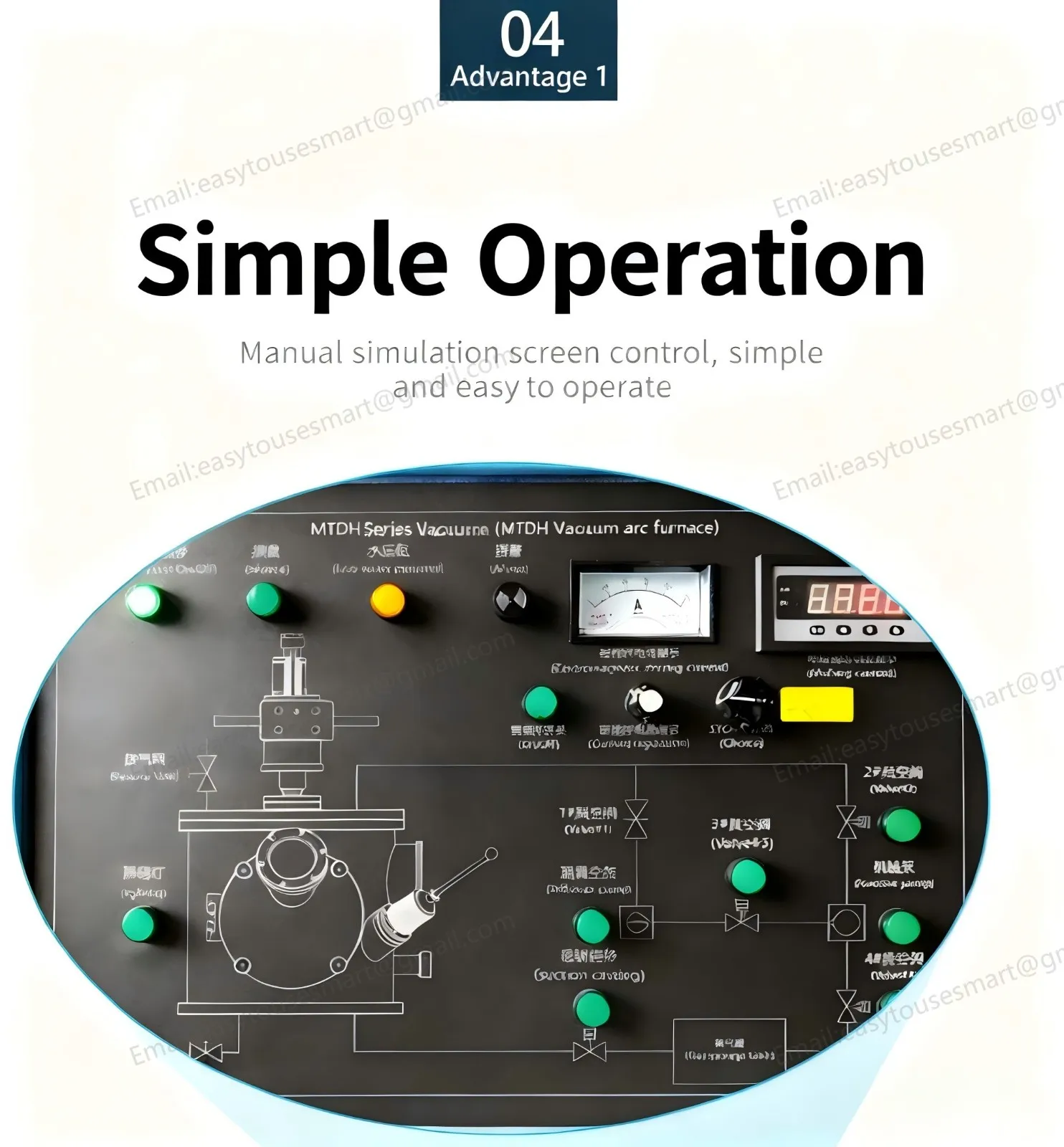


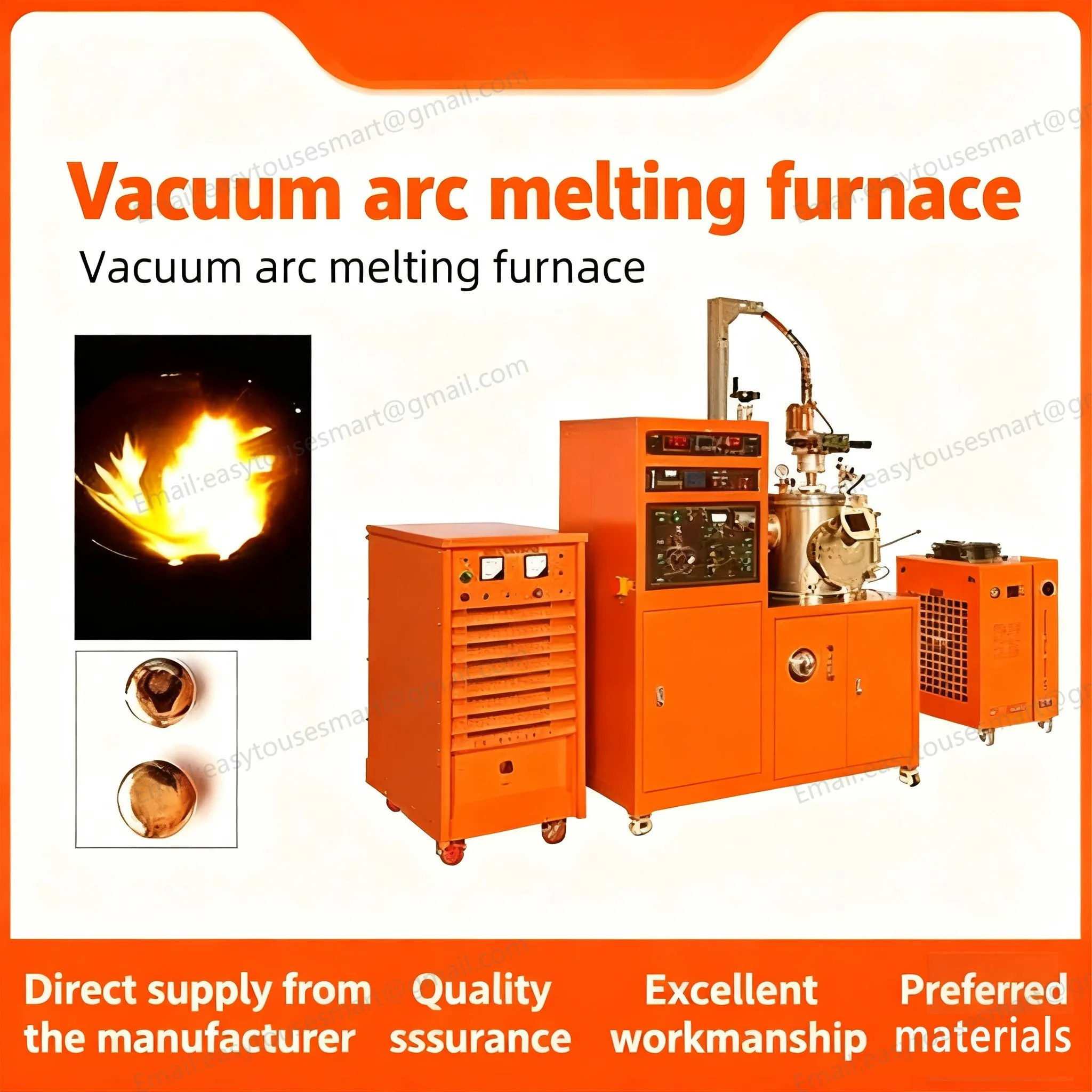
The Lab-Scale Vacuum Arc Remelting Furnace is a compact, high-precision metallurgical experimental apparatus designed for universities, research institutes, and corporate R&D centers. Optimized from industrial-grade vacuum arc remelting (VAR) technology, it is primarily used for small-scale remelting and refining of reactive metals (e.g., titanium, zirconium, hafnium), refractory metals (e.g., tungsten, molybdenum, tantalum, niobium), and special high-temperature alloys (nickel-based, cobalt-based), as well as for composition homogenization and high-purity ingot production.
Unlike traditional induction melting, this equipment utilizes high-temperature (over 3000°C) DC arc to melt metals in a high-vacuum environment, achieving "container-free" melting through a forced water-cooled copper crucible. This innovative design not only completely eliminates chemical contamination (such as carbonation and oxygenation) caused by graphite or ceramic crucibles, but also efficiently removes hydrogen, nitrogen, oxygen, and other gaseous impurities along with volatile inclusions under high-temperature vacuum conditions. Featuring a compact structure and user-friendly operation, the system supports both self-consumable and non-self-consumable electrode melting modes. With minimal raw material costs (typically just a few grams to kilograms), it enables rapid validation of new formulations, study of solidification mechanisms, or preparation of high-performance test specimens. As a core piece of equipment indispensable for cutting-edge metal material research, this system represents a breakthrough in industrial metallurgy.
Widespread application areas:
· Development of aerospace materials: prototype of titanium alloy and nickel-based single crystal/oriented high temperature alloy for aero-engine, and study the relationship between microstructure and mechanical properties.
· Nuclear materials research: preparation of zirconium alloy for nuclear reactor cladding and hafnium alloy for control rods, strict control of gap element content.
· Biomedical material development: Melting high-purity titanium and titanium alloys for biocompatibility testing of implants such as artificial joints and bone screws.
· Superconducting materials: Processing of tungsten, molybdenum, tantalum, niobium and their alloys to prepare superconducting wire materials (Nb-Ti) master alloys or high-purity electron target materials.
· Exploration of new alloys: Development of high-entropy alloys, intermetallic compounds, and amorphous alloy precursors to address segregation and pollution issues in traditional smelting processes.
· Teaching and basic theory: Used for teaching demonstration of metallurgical engineering, research on physical properties of liquid metal, solidification kinetics and phase transition mechanism.
Working principle: The device operates in a high vacuum environment (or is filled with a trace amount of inert protective gas).
· Self-consumption electrode mode: The pre-pressed or sintered metal material is formed into electrodes and suspended at the furnace top. Upon DC power supply, an arc is generated between the electrode's lower end and the bottom of the arc material. The high temperature causes the electrode tip to melt and drip, solidifying into a copper ingot in a water-cooled crucible. As smelting progresses, the electrode automatically descends to replenish consumed material until complete melting is achieved.
· Non-consumable electrode mode (optional): This method employs high-melting-point materials like tungsten rods as cathodes to directly melt bulk materials in a water-cooled copper crucible. It is ideal for rare materials unsuitable for electrode production or small-scale experiments. Throughout the process, a thin layer of homogeneous metal crust forms on the crucible's inner wall, ensuring only the molten metal contacts the crust for truly pollution-free smelting. The high-temperature vacuum environment simultaneously drives dissolved gases to escape and be extracted by the vacuum pump system, enabling deep refining.
Core product features:
No Crucible Contamination and Ultra-High Purity
o Water-cooled copper crucible technology: Using segmented or integral forced water-cooled copper crucibles, it ensures the melt does not contact any refractory materials, completely eliminating the introduction of carbon, oxygen, and inclusions, resulting in extremely high purity of the final product.
o Active metal special: It is the best choice for melting titanium, zirconium, niobium, tantalum and other active metals which are very easy to oxidize and react with crucible.
High efficiency vacuum degassing and refining
o Deep degassing: The synergistic effect of high-temperature electric arc and high vacuum effectively removes harmful gases such as hydrogen, nitrogen, and oxygen, significantly enhancing material toughness and preventing hydrogen embrittlement.
o Impurity volatilization: Facilitates the volatilization and removal of low-melting-point, high-vapor-pressure impurities (e.g., magnesium, calcium, etc.), thereby enhancing material purity.
Flexible experimental mode
o Dual-mode configuration: Standard setup supports self-consumption electrode smelting (ideal for remelting refining and homogenization), while optional non-self-consumption electrode smelting is available for direct melting of lump materials and small-scale experiments.
o Multiple remelting capability: Enables repeated remelting of the same ingot to further enhance compositional uniformity and purity.
o Flexible capacity: Specifically designed for laboratories, with adjustable melting volumes ranging from a few grams to several kilograms, significantly reducing the cost of expensive raw materials.
Excellent solidification structure control
o The heat field is adjustable, and the shape of the melt pool and the solidification rate can be controlled precisely by adjusting the current, the vacuum and the cooling water flow, so that the fine equiaxed, columnar or even single crystal can be obtained.
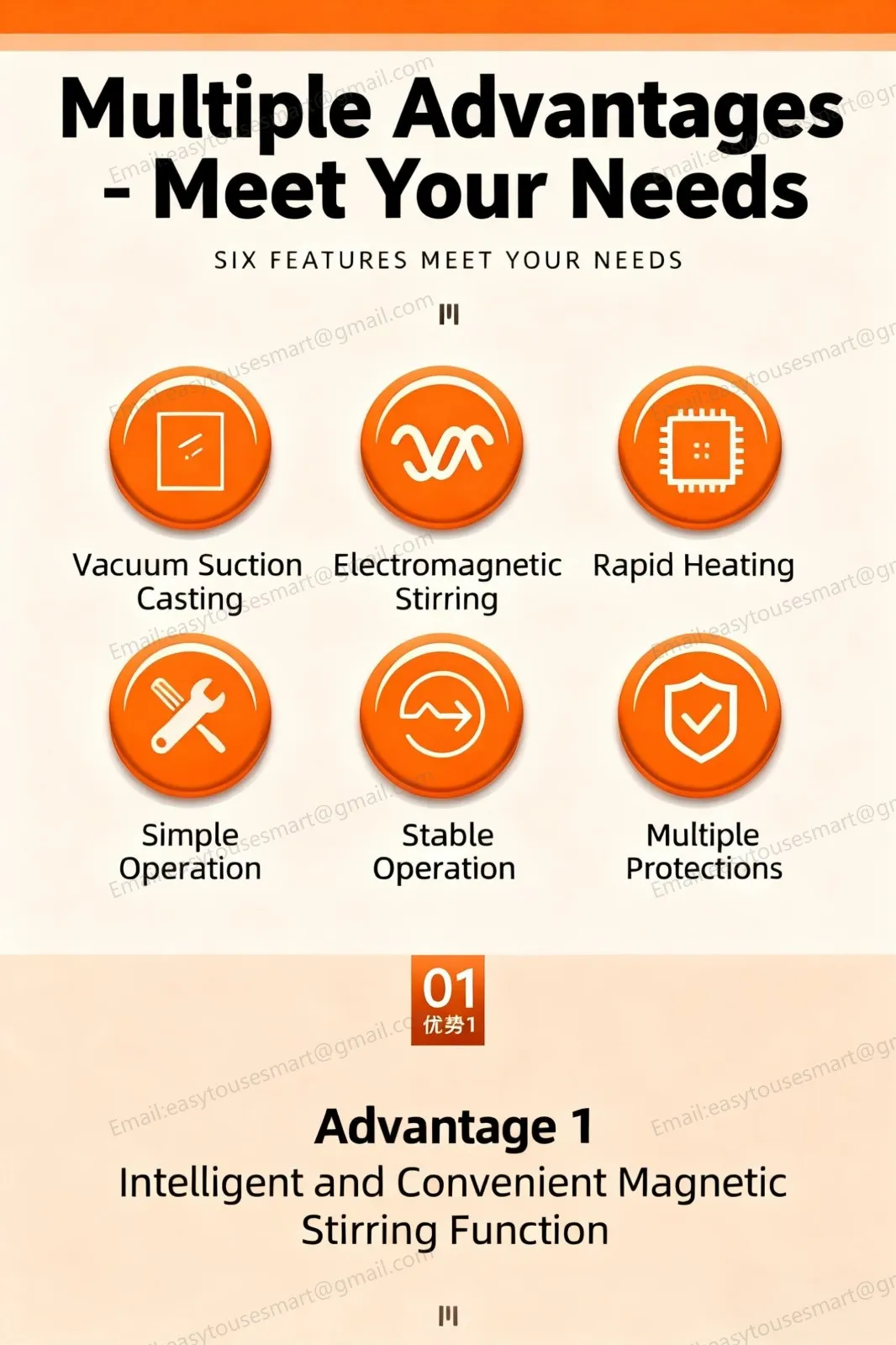
o Electromagnetic stirring: The natural electromagnetic force generated by the arc current can stir the molten pool, reduce macroscopic segregation, and improve the uniformity of composition.
Intelligent and Safe Design
o PLC Automatic Control: The integrated PLC system automatically adjusts arc voltage, current, and electrode movement speed to maintain stable arc operation with user-friendly controls.
o Real-time data logging: automatically records smelting curves (including voltage, current, vacuum level, and time), facilitating process analysis and quality traceability.
o Multi-level safety interlocks: Equipped with hydraulic pressure/temperature monitoring, vacuum interlock, overcurrent protection, short-circuit protection, access control, and emergency stop functions to ensure the safety of laboratory personnel and equipment.
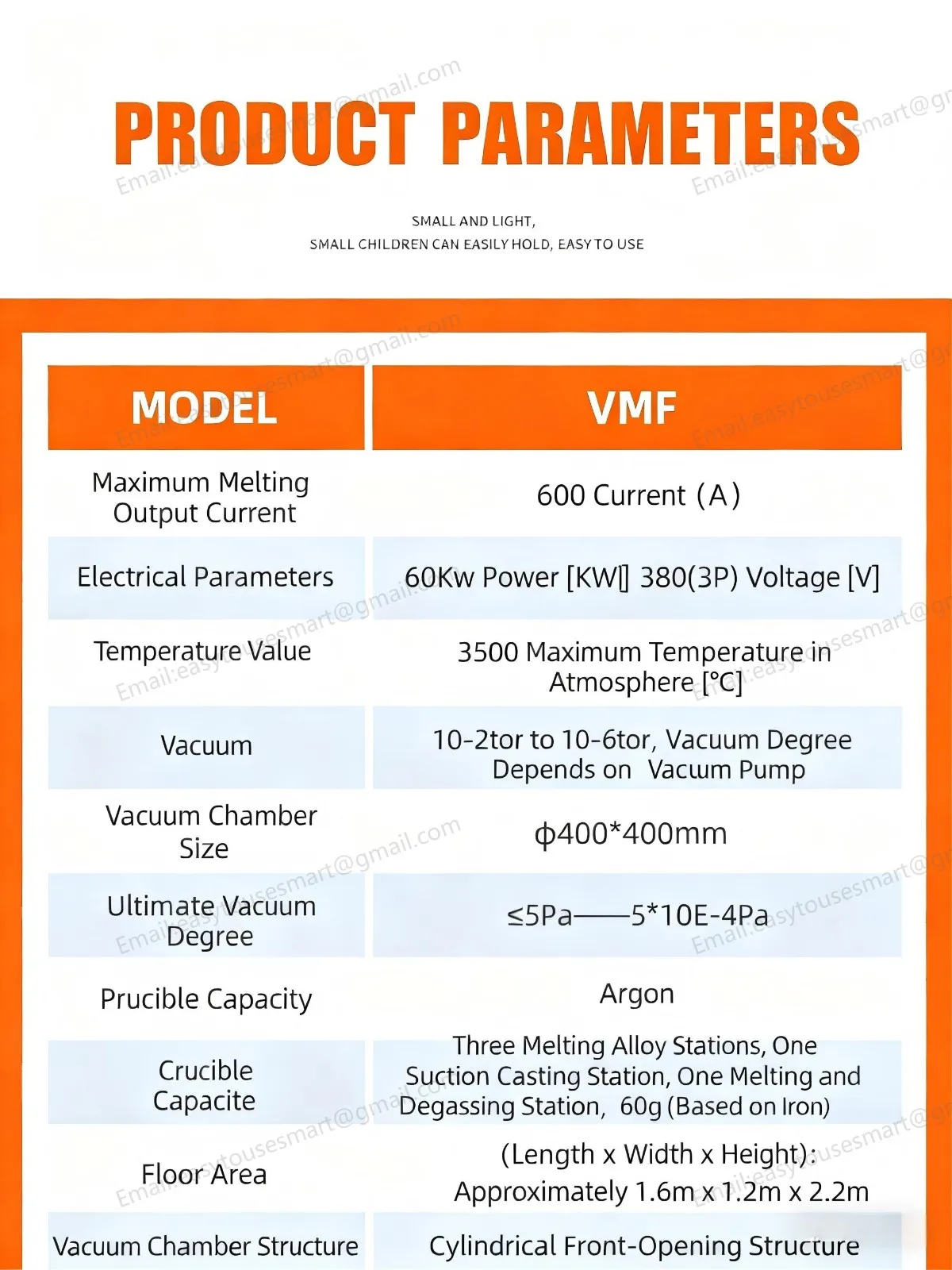
Parameter item | Technical indicators/notes |
device type | Lab-Scale Vacuum Arc Furnace (VAR) |
Heating method | DC arc heating (self-consumable electrode / optional non-self-consumable electrode) |
Applicable materials | Titanium, zirconium, hafnium, tantalum, niobium, tungsten, molybdenum and their alloys; nickel-based/cobalt-based superalloys; high-entropy alloys, etc. |
final vacuum | ≤ 5 × 10⁻³ Pa (configuration: mechanical pump + Roots pump, optional diffusion pump/molecular pump for higher pressure) |
working voltage | 20–40 V DC (adjustable) |
working current | 100A to 2000A (adjustable capacity for small-scale experiments) |
Electrode specifications | Diameter Φ10mm- Φ60mm (self-consumption mode, customizable) |
cast weight | 50g-5kg (Typical laboratory range, customizable) |
type of crucible | FORCED WATER COOLING COPPER CRUSTLE (SEGMENTED, WITH INTERNAL DIAMETER ADJUSTABLE BY SAMPLE) |
control method | PLC Automatic Control + Touch Screen Human-Machine Interface |
coolant passage | Specialized Industrial Chiller (Matched for High Thermal Load of Electric Arc Furnace) |
security guard | Hydraulic pressure/temperature/vacuum/overcurrent/short circuit/access control multi-interlock |
direction of application | Scientific research experiments, new material development, small-scale trial production, teaching demonstrations |
Screening of New Titanium Alloy Formulations:
o Researchers can compress sponge titanium with a small amount of intermetallic alloys (such as aluminum, vanadium, or molybdenum) into small electrodes, which are then rapidly melted using this equipment. By adjusting the current and the number of remelting cycles, uniformly composed small ingots with a diameter of 20-30 mm can be quickly obtained for subsequent tensile and fatigue testing, significantly shortening the R&D cycle.
Pilot production of high entropy alloy and refractory alloy
o For high-entropy alloys containing high-melting-point elements such as tungsten, molybdenum, and tantalum, conventional induction furnaces struggle to achieve complete melting and are prone to carbonation. This equipment utilizes the ultra-high temperature (>3000°C) and pollution-free characteristics of electric arcs, enabling effortless complete mutual solubility of multiple components to produce experimental samples with no segregation and high purity.
Research on Ultra-pure Metals and Semiconductor Materials
o The ultra-high purity niobium blocks or recycled titanium chips are melted directly in non-consumable mode and then degassed in ultra-high vacuum to prepare ultra-high purity materials for superconducting quantum devices or high-end sputtering targets. The influence of impurities on the critical temperature of superconductivity or the properties of the thin films is studied.
Solidification Mechanism and Single Crystal Growth Experiment:
o The growth of columnar or single crystal structure in small ingots was investigated by controlling the pulling speed and cooling intensity. The dendrite growth morphology, segregation behavior and phase transformation were studied under different solidification conditions.
Teaching and skills training:
o As the teaching equipment of metallurgical engineering, it enables students to observe the arc melting process, understand the vacuum metallurgy principle, the difficulties of active metal treatment and solidification control technology, and cultivate practical skills.
The laboratory vacuum arc melting furnace serves as a pivotal bridge connecting fundamental theoretical research with industrial production. It seamlessly inherits the core advantages of industrial VAR furnaces—pollution-free operation, high purity, and deep degassing—while being upgraded for research applications through miniaturization, flexibility, and intelligent enhancements. Whether processing highly reactive titanium-zirconium alloys, tackling ultra-high melting-point tungsten-molybdenum materials, or optimizing new formulations to conserve expensive raw materials, this furnace delivers precise, controllable, safe, reliable, and cost-effective solutions. Its dual-mode design (self-consumption/non-self-consumption) grants researchers extensive flexibility to accommodate diverse experimental requirements. Choosing this equipment means partnering with a professional, pure, and innovative research collaborator, empowering you to achieve groundbreaking results in the field of advanced metal materials.
QR code

Contact information
15738867410
Online Message
Top